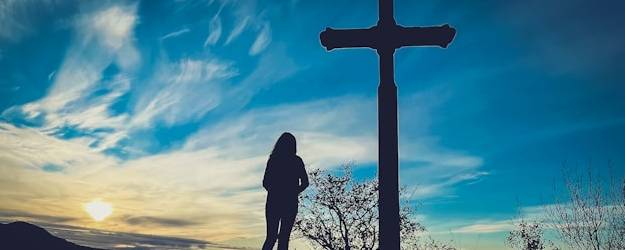
Why do some speak so strongly against mental illness and those who suffer with it? With mental illness as common today as many other illnesses, one questions why there is a negative stigma connected to illnesses of the mind. We, as human beings, cannot expect to be free from all illnesses, and any one of us can at any time suffer from any illness or disease, whether of body or of mind. God allows humans to suffer and allows any one of us to experience these hardships. God loves each and every one of us and sees us as His little children. When we suffer, we can look to God and give Him our burdens.
In regards to illnesses of the mind, 1 in 5 U.S. adults experiences mental illness each year. 23.1% of the U.S. adult population lives with a mental illness. As for young adults, aged 18-25 years old, mental illness exists among 26.2% of the population. As of 2022, there were about 59.3 million U.S. adults with some sort of mental illness. Also as of 2022, about 15.4 million adults in the U.S. have severe mental illness.1
As for the saints, some did struggle with mental illness. St. Louis Martin, father of St. Therese, suffered from dementia, paranoia, and disorientation; he was sent to a mental asylum. He saw this as a suffering to help him grow in virtue. St. Thérèse of Lisieux had anxiety and difficulties with separation and abandonment. St. Alphonsa Muttathupadatha suffered from a trauma disorder and loss of memory, reading ability, and writing ability; she was not often able to perform her teaching duties in her convent. St. Jane Frances de Chantal suffered from depression. St. Benedict Joseph Labre suffered from schizophrenia and homelessness. St. Oscar Romero, archbishop of San Salvador, suffered from OCD and was under long-term therapy. St. John of God suffered from mental health deterioration and went to a psychiatric facility to receive treatment.2 Many other Catholic saints have also suffered from different degrees of mental illness, whether they were religious, priests, bishops, popes, or other ministry leaders.
In recent generations, some Catholic priests, bishops, popes, and religious have also endured the suffering of mental illness. Many today in Catholic ministry suffer from anxiety, depression, burnout, and suicidal thoughts, as well as other mental and physical illnesses. Some also take psychiatric medications.3 It is important for those in Catholic ministry to know that they, as other humans, also may suffer from mental illness and that there is nothing wrong with that. Those in Catholic ministry should maintain healthy lifestyles and always feel free to receive any help they need.
In a study examining 15 Catholic priests’ mental health, all 15 reported positive attitudes about mental health help and counseling. 9 out of 15 have reported that they have sought counseling for reasons such as depression and other illnesses.4 Next, de Santana et al. explored how Catholic priests are doing with their mental health.5 In this study, many priests stated that they have difficulties with mental illness, including anxiety, burnout, and depression. The study recommends priests to take care of their physical and mental health and notes that there is a need for greater psychological care.
Further, Ruiz-Prada et al.6 also found that mental health difficulties exist among priests. The study explains the risk factors that may contribute to declining mental health, such as work overload. The study also states the importance of preventative care to maintain sound mental health. These preventative methods include optimism, physical exercise, balanced diet, times of rest, and having an active spiritual life. The study also states that priests must decrease any unhealthy activities, such as smoking, overuse of alcohol, and overeating; priests must also take care of any anxiety or depression, and keep good care of their physical health.
Mental illness, like purely physical illness, is a chronic, widespread condition. In fact, when expanding our focus to human illnesses generally, we find that an estimated 133 million people in the U.S. have a chronic disease of some type (e.g., cancer, heart diseases, diabetes, obesity, hypertension)7 And according to the U.S. Centers for Disease Control and Prevention (CDC), 6 out of 10 Americans have a minimum of one chronic disease or illness, and 4 out of 10 have at least two chronic diseases (2024). Thus, in the U.S. alone, about 59.3 million have mental illness and 133 million have other illnesses.8 From the above statistics, it seems obvious that mental illness is very prevalent in today’s society and continues to become more and more discovered each year. I would say, mental illness of some sort has always been very common within the human race, and we are only in recent generations able to recognize the severity of the conditions.
Treating those with physical or mental illness in a derogatory way is hurtful and can even come across as abusive. Rash judgments, driven by fear, sometimes are responses given to a person who reveals a mental health diagnosis, despite the fact that the individual already may be receiving the therapeutic help they need. For this reason, persons with even minor mental health concerns often carry it as a secret, believing it is too risky to draw attention to it or declare it publicly. God created us human beings and loves each and every one of us, regardless of what conditions we may suffer from.
Mental illness is not a moral evil. It is not the same thing as sin. Unfortunately people sometimes treat it that way, as a shameful thing. In addition, most mental illnesses are curable or manageable. With the care of therapy and in some cases medication, the individual, more often than not, can lead a very normal and happy life. Guided by good pastoral practice and the virtue of charity, it is prudent to counsel those with mental health concerns to go to a Catholic psychiatrist or psychologist who has a sound anthropology of the human person, informed by Catholic teaching. Often it is hard to find such a mental health professional. At very minimum, we should strive to refer those who seek such help to a mental health professional who respects their clients’ Christian ethos. Along with seeking help from a psychiatrist, those with mental illness can gain the most benefits from a combination of medication and regular and frequent therapy.9 At times, priests might be tempted to think that such a person’s pastoral care should be suspended until their mental health concerns are remedied. On the contrary, people with mental health issues need as much pastoral care as others and should be treated with great gentleness, kindness, and patience.
In addition to the common recommendations for maintaining or restoring good mental health, one can include complementary health approaches, such as preventative care and maintaining one’s physical health. But one of the best “preventative methods” is to keep oneself immersed in the Catholic faith. Whether one has a mental illness or not, it is best to stay active in the Catholic faith; there are many benefits of this, only one being that it helps maintain a healthy and happy lifestyle. Also, if one is wanting to have a healthy mind, body, and spirit, it can greatly help to take advantage of the wonderful resources the Catholic Church offers: daily Mass, the sacraments, healing prayer (asking a priest to pray for your healing), daily prayer, meditation, prayer apps such as Divine Office, iBreviary, Word on Fire, Laudate, Hallow, podcasts, parish resources, calming Catholic meditation or worship music, the Bible, other spiritual readings, Catholic therapists, Catholic videos, spiritual direction, Catholic retreats, and more.10 The Sacrament of Penance is particularly helpful for those who are suffering with a mental health issue. But priests need to be discerning of such a penitent’s need for gentleness and understanding so as to not crush the bruised reed.
In addition, worship nights with live contemporary praise music can provide very healing experiences for all who attend, particularly anyone with a mental health issue, because these events tend to facilitate a healthy expression and a catharsis of emotions while deepening a sense of communal bonds with others. Other helpful resources for people who feel isolated or struggle with a sense of belonging are Catholic conferences (i.e., Encounter Ministries, Steubenville Conferences, SEEK conference), especially Catholic healing conferences, schools of ministry, movements that help identify spiritual gifting, and days of recollection. Catholic inner healing ministry is another helpful resource for people working through a mental health issue or simply seeking greater wholeness from the Lord.
Further, according to Psychology Today, volunteering for some charity can also improve overall mental health. Perhaps one can volunteer for a religious order that serves the poor or another Catholic charity that has a beautiful cause. Also, counting blessings, writing ten things we are thankful for each day, and writing down any healings and miracles we hear of or experience can help.11
Moreover, according to the Mayo Clinic, ways to maintain sound mental health include: going through routine medical check-ups, receiving therapy once in a while to maintain sound health (perhaps going to a Catholic psychiatrist or therapist once a year for a “check-up”), and taking good care of overall health (i.e., sleeping well, healthy eating, physical activity, maintaining a regular schedule) (Mayo Clinic, 2022). In addition, according to the National Alliance on Mental Illness (NAMI), one can supplement any mental health help they receive with natural approaches. These approaches include taking multi-vitamins and supplements, eating omega-3 rich foods such as fish, taking folate, exercising often and even daily, and going to equine therapy (NAMI, 2024).
Also, Mental Health America12 recommends additional preventative measures, such as living in a safe and secure environment where one does not feel afraid. It is important to, as far as we are able, live in healthy environments with loving and godly people who are in love with God and immersed in the Catholic faith. We must also take good care of our finances and other resources, as these can cause severe mental health difficulties and anxieties. Furthermore, there are many hobbies one can adopt to improve mental health, including all sorts of creative activities.13
For preventative care, it is wonderful to combine approaches, being fully immersed in the resources the Catholic Church offers as well as other preventative measures. And if we do not have mental illness, we can always benefit from the “preventative approaches” above anyway, which are simply ways we can maintain a healthy lifestyle. When we live in a healthy manner, our mind benefits. We can take care of our spiritual health through the Catholic Church while also taking care of our physical and mental health. As a preventative measure, perhaps each one of us can: 1. keep immersed in the Catholic faith (Sunday Mass, frequent confession), 2. be part of one volunteer activity which meets at least once a month (e.g., serving food to the homeless in a soup kitchen), 3. eat healthy (i.e., lots of fresh vegetables and fruit), 4. take up one physical activity (e.g., running, spin class), 5. start doing one creative hobby (e.g., journaling, painting).
I believe it is very important for parishes to provide mental health ministries. How wonderful it would be if parishes had ministries to offer information and healing for mental illness. These mental health ministries within parishes would also help decrease the stigma of mental illness, helping others know that it is a common condition that many suffer from. These ministries are helpful for laity, clergy, religious, and everyone else, as everyone may suffer from these illnesses. Some resources that were highlighted to me are the National Catholic Mental Health Campaign (USCCB), The Association of Catholic Mental Health Ministers, the National Catholic Partnership on Disability, and Sanctuary Mental Health Ministries. In addition, those in religious orders, both contemplative or active, those existing members and any new ones, can undertake the five points mentioned above in a modified way. Even doing these points once a week or month is better than nothing.
Firstly, I especially enjoy the resources offered from the Association of Catholic Mental Health Ministers. This Association helps those interested in creating mental health ministries for parishes, dioceses, or Catholic communities. This Association provides much information, education, resources, and aids to help anyone start or join a mental health ministry. For those suffering from illness, this Association offers many resources to learn about your condition and find the help you need within the Catholic Church. For families of those suffering, this Association offers spiritual support and information to help loved ones. For clergy and ministers, this Association offers tools, resources, methods, and much information to help. Personally, I thought their website was very helpful and it seemed to very easily show their information and resources.14
Next, I thought USCCB’s National Catholic Mental Health Campaign offered wonderful information. They are a Campaign from the USCCB to encourage everyone to gain information on mental health, eliminate the stigmas related to the issues, and lovingly help those who suffer. The Campaign provides much information, videos, resources, and a really beautiful novena that includes some saints that suffered from these illnesses. With these resources, one can raise awareness of how common mental illness is, decrease stigma related to the topic, and provide help for those in need.15
In addition, there should be warm and accepting environments for those with mental illnesses not only in parishes, but in every Catholic institution. Also, it is important to only look for Catholic psychiatrists or psychologists, as their practices do not conflict with the teachings of the Catholic Church. In fact, some of them really include the concept of suffering in their sessions and it becomes an opportunity to learn how to handle our sufferings in a saintly manner.
Mental illnesses are another form of the Cross that all humans suffer from. Sufferings are considered a gift from God by many of the saints. It would be prideful for one to think that it is below them to ever suffer from such a thing. Perhaps those who so severely are against those who have mental illness are trying to deflect away from their own struggles, whether it be mental, physical, or spiritual. Do they not suffer? Are not sufferings given to us by God? Can we choose what sufferings we get? Can we control God? Or will God’s will be done?
In Bishop James Conley’s pastoral letter on mental health (2024), “A Future with Hope,” he discusses his own mental health journey where he experienced deep suffering due to difficulties with mental illness and how he took that opportunity to get closer to God. During his sufferings with physical and mental illness, he leaned into God and looked to the cross. Bishop Conley surrendered his difficulties to God, offering His sufferings to our Lord Jesus Christ.
Furthermore, Bishop Conley states the importance of keeping a healthy lifestyle and getting any help that we need to. Interestingly, he mentions the stigma associated with mental illness and how he was helped by his loved ones to feel comfortable enough to take care of his health needs. Also, Bishop Conley explains how we must look to the hope God has for us and how this hope lies in the Catholic faith. Within the Catholic Church, we have a multitude of resources. When we look to the Gospels and see how our Lord Jesus Christ endured suffering, as well as reading the lives of the saints and other spiritual readings, we see godly ways to get through any suffering God gives us, including mental illness.16
We are not alone. It is so important to realize that mental illness is very common. We must know that there is hope, that other people also suffer from this. If we think we are alone, we will enter into shame and never seek the help we need. We must recognize that many, including the saints, also suffer from mental illness; it is simply another suffering that humans may face. It is a beautiful opportunity to get closer to God.
We must get through our sufferings by looking to God and giving Him everything. Bishop Conley and many others have provided us within the Catholic Church many resources in order to take care of our mental health. We must change our perspective and realize the beauty in suffering and the beauty of each other. God loves us so much and sees each one of us as His sons and daughters. Let us never hurt God by insulting His little ones. Let us focus our attention on the love of God instead of hurting others. “Remember thy last things, and let enmity cease: For corruption and death hang over in his commandments. Remember the fear of God, and be not angry with thy neighbor. Remember the covenant of the most High, and overlook the ignorance of thy neighbor” (Sirach 28:6–9).
The more we look at God, the more we are converted and learn to love one another. Love is patient. Love is kind (1 Corinthians 13). Love is not accusatory or belittling. Love looks at the world through God’s eyes. Love looks at our fellow human beings as children of God. Love treats these beautiful children of God with respect and understanding, recognizing the frailty of the human condition. Each and every child of God is a creation of God, created by God Himself. God has allowed us humans to suffer, with illness included as one of the many sufferings we may face. We must go farther than the surface and see the heart of each individual, loving them fully as God would.
- National Institute of Mental Health (NIMH), Statistics, 2024. www.nimh.nih.gov/health/statistics/mental-illness. ↩
- Whitney Hetzel, “Mental Illness: Five Patron Saints to Invoke,” The Catholic Company, April 7, 2016, www.catholiccompany.com/blogs/magazine/mental-illness-patron-saints-6296; Micole Amalu, “Patron Saints of Mental Illness,” The Face of Mercy (blog), November 1, 2019, www.thefaceofmercy.org/blog/patron-saints-of-mental-illness; Deacon Ed Schoener, “Some Saints lived with mental illness,” Vatican News, November 3, 2021. https://www.vaticannews.va/en/church/news/2021-11/pope-november-prayer-depression-saints-mental-illness.html. ↩
- Cláudio Manoel Luiz de Santana, Luiz Fábio Domingos, Cléia Zanatta and Luís Antônio Monteiro Campos, “Catholic priests mental health facing contemporary challenges,” International Journal of Development, vol. 11, July 28, 2021, journalijdr.com/catholic-priests-mental-health-facing-contemporary-challenges; Perry West, “‘No different from the rest of us’ – Priests and mental health care,” Catholic News Agency, Feb. 15, 2020. www.catholicnewsagency.com/news/43581/no-different-from-the-rest-of-us-priests-and-mental-health-care. ↩
- Anthony Isacco, Ethan Sahker, Deanna Hamilton, Mary Beth Mannarino, Wonjin Sim, & Meredith St. Jean, “A qualitative study of mental health help-seeking among Catholic priests,” Mental Health, Religion & Culture, May 6, 2014. doi.org/10.1080/13674676.2014.910759. ↩
- “Catholic priests mental health,” 2021. ↩
- Miguel Ruiz-Prada, Samuel Fernández-Salinero, Cristina García-Ael, and Gabriela Topa, “Occupational Stress and Catholic Priests: A Scoping View of the Literature,” Journal of Religion and Health, August 15, 2021. doi.org/10.1007/s10943-021-01352-0. ↩
- Wullianallur & Viju Raghupathi, “An Empirical Study of Chronic Diseases in the United States: A Visual Analytics Approach to Public Health,” National Library of Medicine, NIH, March 1, 2018. pmc.ncbi.nlm.nih.gov/articles/PMC5876976/. ↩
- NIMH, Statistics, 2024; Raghupathi, “Empirical Study,” 2018. ↩
- Mayo Clinic, “Mental illness,” Dec. 13, 2022, www.mayoclinic.org/diseases-conditions/mental-illness/diagnosis-treatment/drc-20374974; National Alliance on Mental Illness (NAMI), “Treatments,” www.nami.org/About-Mental-Illness/Treatments/. ↩
- “How Does The Catholic Church Approach Mental Health and Well-Being?” Catholic Share, 2025. www.catholicshare.com/catholic-approaches-to-mental-health-and-well-being/; “The Catholic Faith/Your Local Parish,” Catholic Mental Health Resources, 2025, catholicmentalhealthresources.com/the-catholic-faith-your-local-parish/; Bishop James Conley, “A Future with Hope,” Diocese of Lincoln, May 2024. ↩
- Kristen Lee, “20 Ways to Protect Your Mental Health,” Psychology Today, January 1, 2020. www.psychologytoday.com/us/blog/rethink-your-way-the-good-life/202001/20-ways-protect-your-mental-health. ↩
- “Prevention and Early Intervention B4Stage4: The State of Mental Health in America 2016,” Mental Health America, January 1, 2016. mhanational.org/research/prevention-and-early-intervention-b4stage4-the-state-of-mental-health-in-america-2016/. ↩
- “62 Creative Hobbies to Improve Your Mental Health,” Hobby Help, 2025. hobbyhelp.com/creative-hobbies. ↩
- Association of Catholic Mental Health Ministers, 2025, catholicmhm.org/. ↩
- United States Conference of Catholic Bishops (USCCB), “Mental Health,” 2025. www.usccb.org/mental-health. ↩
- Conley, “A Future with Hope.” ↩
 About Sara Grace
This is a beautiful article. As a teacher, I have found the stigma has gone done in mental illness. Students openly talk about their therapists and medication. The article makes me think there are sections of our population still resistant?
Bishop Conley’s example has helped many individuals from all over. May others in authority have such humility and courage as he does.
I will read with interest the Bishop Conley article. Perhaps more would have been made regarding the metabolic/ biochemical aspects of mental illness. The biochemical aspect enables people to grasp more easily the simple truth that mental illness is very little different, in many cases from ‘normal’ illnesses in that both have a biological basis. Whilst I would agree that mental health issues may, in some way, be a pathway to grace, I would hesitate to ascribe the term ‘ beautiful opportunity ‘ to them.
Micahel,
I agree with your comments. Bishop Conley is an example of how we can reach out beyond the Periphery to help those most in need.