Introduction
This is a time in our history when the significance of the sacraments needs to be of primary importance within our Church. With many of our youth feeling lost and lacking meaning, mental health becoming a crisis, and the deep social connection many once had in their church communities diminishing, the sacraments are our answer and strong evidence of this comes from an unlikely source — a recent anthropology text on ritual.
In a 2019 HPR essay, Carolyn Humphreys, OCDS, OTR shared a powerful insight connecting Catholicism and ritual. She explained, “Spiritual rituals are an integral part of Catholic life. They promote our faith formation, add reverence to our daily existence, keep us aware of that which is eternal and strengthen our belief in heaven and our bond with God.”1 The Catechism of the Catholic Church brings up ritual or rites more than 15 times and encourages the faithful to participate actively in liturgical rituals, even using the term to define the Eucharist as the “ritual, sacramental action of thanksgiving to God which constitutes the principal Christian liturgical celebration of and communion in the paschal mystery of Christ” (877).
The sacraments are an essential aspect of our lives as Catholics, and having ritual elements to these formal liturgical practices allows us as humans to fully enter into the mysteries of our redemption in Christ. Interestingly, those in various other academic fields, even those who are non-religious, find that our humanity requires that, and flourishes when, we participate in ritual actions as they speak so deeply to our humanity. This essay will share a brief overview of one anthropologist, Dimitris Xygalatas, whose recent work entitled Ritual: How Seemingly Senseless Acts Make Life Worth Living provides a layer of academic support for the centrality of ritual and thus the sacraments in our lives. This information might serve as a powerful mode of evangelization and dialogue for Catholics to share their faith and explain the need for sacraments with those losing their faith and who see Mass attendance and the reception of the Eucharist as optional.
The decades of research that prompted Xygalatas to write the text supports the profound human need for ritual, emphasizing how communal, embodied actions foster meaning, belonging, and resilience. From firewalking ceremonies to synchronized worship, he argues that such practices are central to human flourishing. We will examine these claims through the lens of Catholic sacramental theology, which understands sacraments as visible signs instituted by Christ to confer grace (CCC, 774). In Catholic thought, the sacraments are not arbitrary or merely symbolic; they embody divine realities, mediating God’s presence through material forms and ritual action. By comparing Xygalatas’ findings with sacramental theology, this essay argues that Catholic sacramental practice exemplifies the anthropological principles Xygalatas identifies, while also transcending them by rooting ritual efficacy not merely in psychological or social mechanisms, but in ontological transformation. The analysis highlights how Catholic sacraments fulfill the human ritual impulse described by Xygalatas, yet reframe it within a theological narrative of salvation, participation in divine life, building up the Body of Christ, and the sanctification of material reality. Moreover, the essay considers how Xygalatas’ insights into ritual’s psychological and communal benefits may illuminate a contemporary apologetic for sacramental life, especially in increasingly secular contexts where the meaning of ritual is often questioned and sacramental life downplayed. Ultimately, this interdisciplinary engagement suggests that rather than being at odds, scientific and theological accounts of ritual may mutually enrich each other, offering a fuller understanding of why ritual and thus sacraments remain indispensable to human existence. This essay explores the convergence between Xygalatas’ insights and the Catholic theology of sacraments.
Background
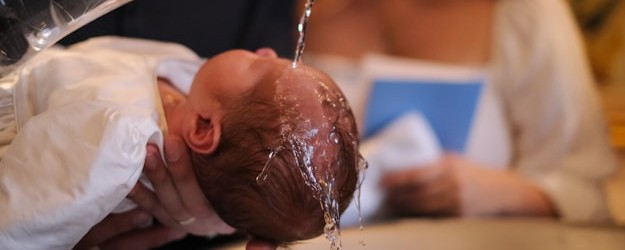
In the Catechism of the Catholic Church, ritual plays a fundamental role in conveying and enacting the faith, serving as a tangible expression of beliefs, traditions, and values. Rituals in the Catholic tradition encompass various forms of liturgical celebrations, sacraments, and devotional practices, each with its distinct significance and purpose. The Catechism emphasizes the sacraments as pivotal rituals that confer grace, deepen faith, and unite believers with Christ since they are “efficacious because in them Christ himself is at work” (1127). There are seven sacraments and each involves specific rituals and symbols, such as water in Baptism and bread and wine in the Eucharist, which embody spiritual realities and foster communal and personal holiness.
The Eucharistic Liturgy, described as the “source and summit” of the Christian life, is the Church’s official public worship. The Eucharistic celebration is the central liturgical ritual, representing Christ’s Last Supper and sacrifice on the cross. The Catechism highlights the structured, communal nature of liturgical rites, which include prayers, readings from Scripture, hymns, and the sacraments themselves, forming a rhythm of worship that shapes the spiritual life of the faithful. The Catechism explains that “Christian liturgy not only recalls the events that saved us but actualizes them, makes them present” (1104). Beyond formal liturgy, the Catechism underscores the importance of personal and communal prayer. Rituals such as the Rosary, novenas, and the Liturgy of the Hours are integral devotional practices. These rituals and sacramentals (see CCC 1667–1679) structure daily life around prayer, fostering a continuous relationship with God and a deepened spiritual awareness.
Rituals are also deeply theological, reflecting the mysteries of the faith. For example, the rites of the Easter Vigil, with symbols like light and water, celebrate Christ’s resurrection and the renewal of baptismal promises and the liturgical year itself. Through these rituals, the Catechism teaches that believers participate in the divine life, experiencing God’s presence and grace in tangible forms. Rituals bind the Catholic community together, creating a shared identity and continuity with the Church’s tradition. It explains clearly that the purpose of the sacraments is to “sanctify men, to build up the Body of Christ and, finally, to give worship to God” (291). The Catechism emphasizes the importance of participating in communal worship and sacramental life, seeing these rituals as means of nurturing unity and transmitting the faith across generations.
The Catholic Understanding of Sacraments
The Catholic Church teaches that sacraments are “efficacious signs of grace, instituted by Christ and entrusted to the Church, by which divine life is dispensed to us” (CCC, 1137). They are not merely symbolic but operative, effecting what they signify. The seven sacraments sanctify critical moments of human life and incorporate the faithful into the divine mystery. The external rituals words, gestures, and materials correspond to an interior transformation, uniting the human and the divine.
St. John Paul II, particularly in his encyclical Ecclesia de Eucharistia, emphasized the incarnational dimension of the sacraments. He wrote, “Through the sacramentality of the Church, the invisible grace becomes visible” (11). The sacraments are thus the continuation of Christ’s incarnational presence in the world, resonating with the anthropological need for visible, tangible signs of deeper realities.
Xygalatas on Ritual
Xygalatas begins by defining rituals as repetitive actions performed in a particular sequence, often with symbolic meaning. He distinguishes between sacred rituals, which are often religious or spiritual, and secular rituals, which can be found in everyday life, such as morning routines or social customs. The book emphasizes that rituals are universal across cultures and have been a part of human societies for millennia. He explains, “Without a single exception, all known human societies – whether past or present – have a range of traditions that involve highly choreographed, formalised and precisely executed behaviours that mark threshold moments in people’s lives.”2
Xygalatas identifies rituals as behaviors that often appear superfluous yet fulfill essential psychological and social functions. Rituals provide stability in times of uncertainty, reinforce group identity, and mark significant life transitions. They function not merely as cultural artifacts but as biologically rooted behaviors that aid survival and flourishing. According to Xygalatas, ritual actions, through their repetitive and symbolic nature, create an experience of meaning and belonging that rational processes alone cannot provide. He summarizes this powerfully when saying, “Ancient as our species itself — and for good reason . . . they can transform our inner world and play a decisive role in shaping our social world” (22).
The Psychological Impact of Rituals
One of the central arguments of the book is that rituals play a crucial role in managing human emotions and reducing anxiety. Xygalatas discusses how rituals provide a sense of control and predictability in an unpredictable world. For example, he cites research showing that people who perform rituals before stressful events, like exams or competitions, tend to experience less anxiety and perform better.
Rituals also help individuals cope with grief and loss. Xygalatas highlights how mourning rituals, which are common across cultures, provide a structured way for people to process their emotions and find meaning in their loss. He argues that the repetitive nature of rituals helps to soothe emotional turmoil and offers psychological comfort. The rosary, for example, has been studied to show a substantial and measurable impact on anxiety (83). Surprisingly, he documents research related to depression as well, asserting, “Ritual, it turns out, can be as effective in reducing stress as some of our best anxiety medications” (85).
Social Functions of Rituals
Rituals also serve important social functions. Xygalatas explains how rituals foster group cohesion and social bonding. He discusses the concept of collective effervescence, a term coined by sociologist Émile Durkheim, to describe the heightened sense of community and shared identity that people experience during collective rituals. This feeling of unity is particularly strong in rituals that involve physical exertion, pain, or endurance, such as the fire-walking ceremonies that Xygalatas studied in Spain and Mauritius. Shared ritual practices form cohesive and united groups that share identity and mission.
The book also explores how rituals reinforce social norms and hierarchies. For example, rituals often involve specific roles and rules, which can help to establish and maintain social order. This allows us to understand key human questions related to our place with others and who we are as a people. Xygalatas discusses how rituals are used in rites of passage, such as weddings or initiation ceremonies, to mark transitions in social status and to reaffirm the values and beliefs of a community. In summary the author powerfully concludes that “anthropologists have long described collective ceremonies as the glue that holds society together” (92).
The Development of Rituals
Xygalatas delves into the origins and history of rituals, suggesting that they may have developed as a way to signal commitment and trustworthiness in human societies. By participating in costly or painful rituals, individuals could demonstrate their dedication to the group and their willingness to adhere to social norms. This, in turn, would have helped to strengthen social bonds and cooperation within the group, providing social cohesion and a deep sense of belonging.
He also discusses the role of rituals in promoting cooperation and reducing conflict. Rituals often involve synchronized actions, such as dancing, singing, or chanting, which can create a sense of unity and shared purpose. This synchronization has been shown to increase feelings of empathy and trust among participants, which can help to reduce tension and resolve conflicts within a group. This impact is so pronounced it can be measured qualitatively.
The Anthropological Foundations of Sacramentality
Xygalatas’ findings suggest that ritual behaviors meet deep-seated human needs for structure, identity, and meaning. Catholic sacramental theology affirms and elevates these needs. As Pope Benedict XVI explained, “Man bears within himself a thirst for the infinite”3 Ritual in the sacramental context anchors human existence not merely in communal bonds but in divine life itself.
Furthermore, sacramental rituals are characterized by a “logic of gratuity,” to use Benedict XVI’s phrase. In many of the rituals Xygalatas studied, participants engage in costly, painful, or elaborate actions without immediate material benefit. Similarly, the sacraments demand faith, often without immediate empirical verification, fostering trust in the unseen realities they convey. The anthropological structure of ritual as costly and meaningful thus finds its fulfillment in the sacramental economy.
Beyond Utility: Sacraments and Ontological Transformation
While Xygalatas underscores the social and psychological utilities of ritual, Catholic theology asserts an additional, ontological efficacy. The sacraments effect real change: bread becomes Christ’s body; water cleanses from sin; oil strengthens with the Spirit. As the Catechism notes, “The sacraments confer the grace that they signify” (1127). This transformation exceeds the naturalistic explanations Xygalatas provides but does not contradict his focus on the power of spiritual rituals and the physiological evidence that verifies this claim.
St. John Paul II highlights this ontological depth, particularly in his Theology of the Body,4 where he discusses how visible actions (like marital union or sacramental signs) reveal and participate in invisible divine realities. The sacraments respond to the human need for ritual while simultaneously drawing humanity into the mystery of divine life.
Rituals in Modern Society
While rituals are often associated with traditional or religious societies, Xygalatas argues that they remain relevant in modern, secular societies as well. He discusses how new rituals continue to emerge in response to contemporary challenges, such as the rituals surrounding sports events, graduation ceremonies, or even social media practices like liking and sharing posts in our social media world.
Xygalatas also addresses the idea of ritual poverty, where modern individuals may experience a lack of meaningful rituals in their lives. He suggests that this may contribute to feelings of alienation or dissatisfaction, and he advocates for the conscious creation and maintenance of personal and communal rituals as a way to enhance well-being. In other words, we need others and meaning and this most frequently comes through our communal celebration of rituals.
The Value of Rituals and Importance of Sacraments
In the concluding chapters, Xygalatas reflects on the value of rituals in making life meaningful. He argues that, despite their seemingly irrational nature, rituals are a fundamental aspect of human existence that contribute to psychological health, social cohesion, and cultural continuity. The book ultimately suggests that rituals, whether ancient or modern, sacred or secular, are essential for creating a sense of belonging and purpose in life.
Xygalatas’ Ritual: How Seemingly Senseless Acts Make Life Worth Living offers a compelling argument for the importance of rituals in human life. Through a blend of scientific research, anthropological insights, and personal anecdotes, the book provides a deep understanding of how rituals shape our emotions, relationships, and societies. It encourages readers to appreciate the rituals in their own lives and to recognize the profound impact they have on our well-being and sense of meaning. This connects powerfully with the Catechism of the Catholic Church which presents rituals and sacraments as essential to the life of faith, providing a structured, communal, and tangible means of encountering the divine, deepening spiritual life, and maintaining the continuity of tradition, while connecting with the Body of Christ, the Church.
Dimitris Xygalatas’ study of ritual offers important insights into the psychological and social importance of ritual action, insights that Catholic sacramental theology can affirm and deepen, particularly was many live in a situation of ritual poverty in our current culture that often values technology and isolation over communal connection. The Catholic sacramental system fulfills the anthropological needs Xygalatas identifies but frames them within the larger context of divine grace, salvation, and participation in the life of God. The convergence of anthropological observation and theological affirmation suggests that ritual is not merely a human invention but a human response to a divine initiative, one that not only makes life worth living but also opens it to eternal life.
- Carolyn Humphreys, “The Necessity of Rituals,” Homiletic & Pastoral Review, February 12, 2019. hprweb.com/2019/02/the-necessity-of-rituals/. ↩
- Dimitris Xygalatas, Ritual: How Seemingly Senseless Acts Make Life Worth Living (New York: Little, Brown Spark, 2022), 11. Henceforth cited parenthetically in the text by page number. ↩
- Benedict XVI, General Audience, May 11, 2011. https://www.vatican.va/content/benedict-xvi/en/audiences/2011/documents/hf_ben-xvi_aud_20110511.html. ↩
- John Paul II, Man and Woman He Created Them: A Theology of the Body, trans. M. Waldstein (Boston, MA: Pauline Books & Media, 2006). ↩
 About Randall Woodard
Speak Your Mind